
Developments 13 February 2026 1 min read
ART: A Closer Look at “The Queer Garden of Eden”.
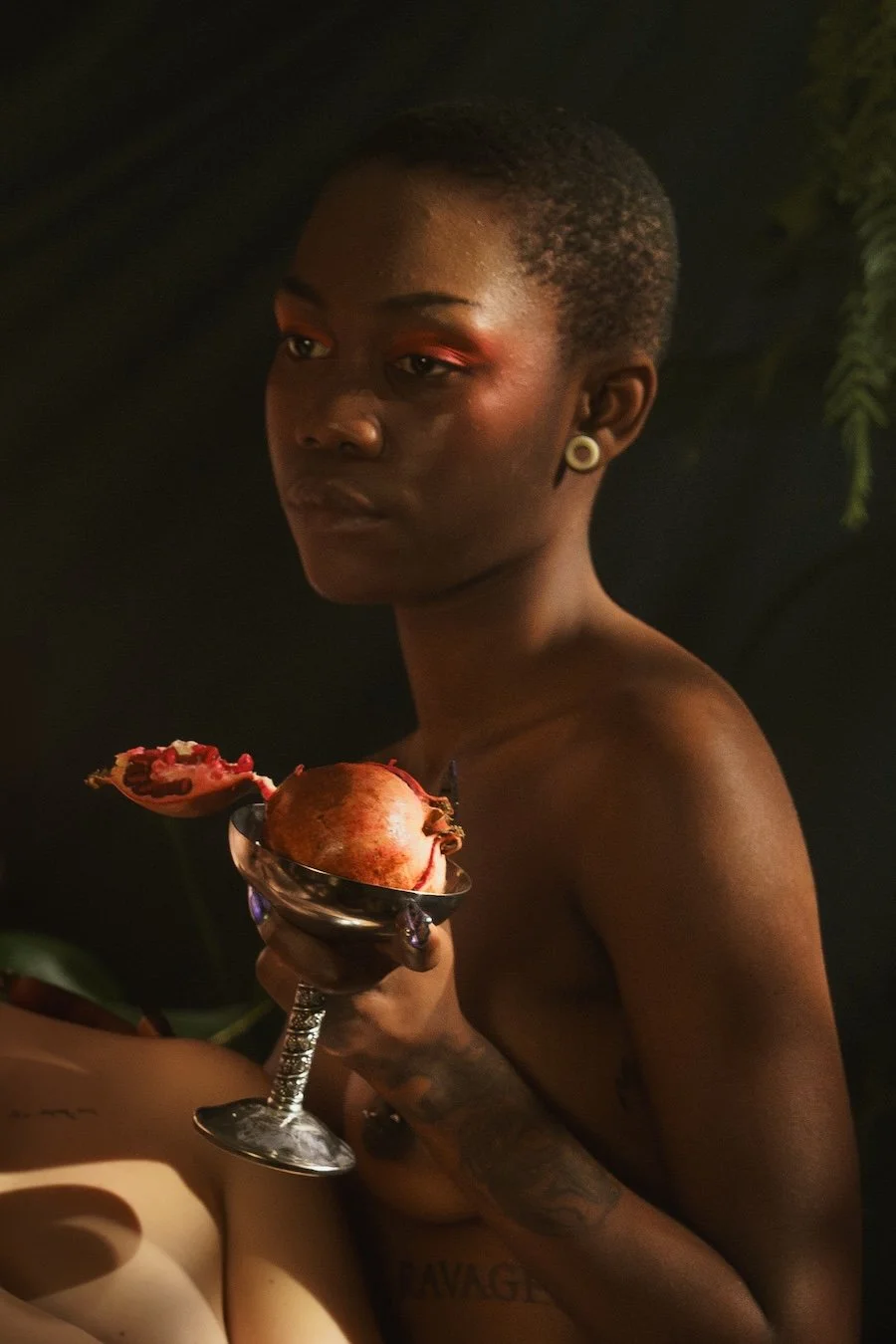
In a bold reimagining of humanity’s oldest origin myth, "The Queer Garden of Eden" dismantles the traditional narratives of shame and exile, replacing them with a manifesto of queer divinity and self-discovery. This artistic project challenges the long-held belief that knowledge and desire are transgressive, instead framing the act of consuming the “forbidden fruit” as a sacred moment of liberation.
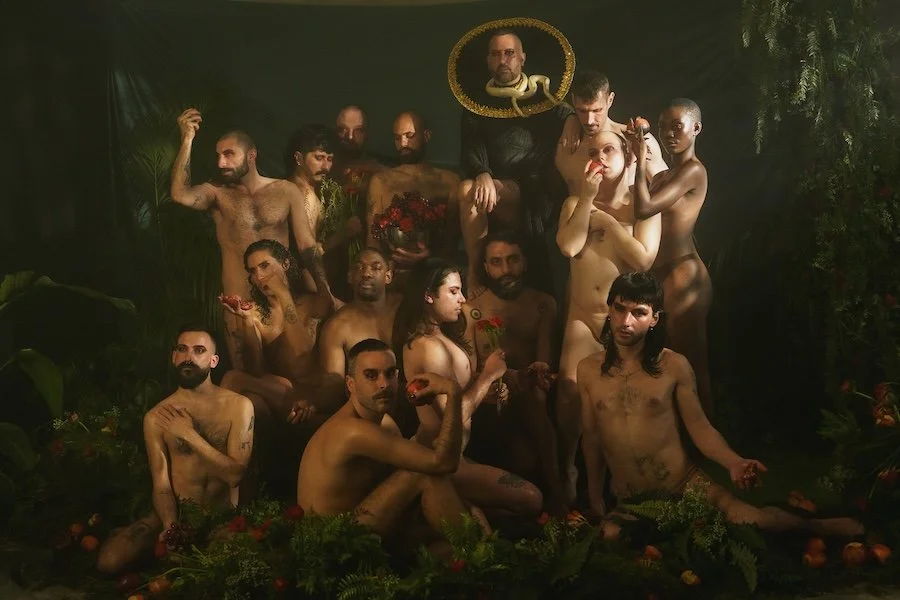
The concept shifts the focus from a story of sin to one of awakening. In this version, the fruit represents authenticity and the freedom to exist beyond the constraints of heteronormativity and religious dogma. Rather than being a deceptive force, the figure offering the fruit acts as a queer guide—a celestial disruptor who provides the key to reclaiming one's inherent identity.
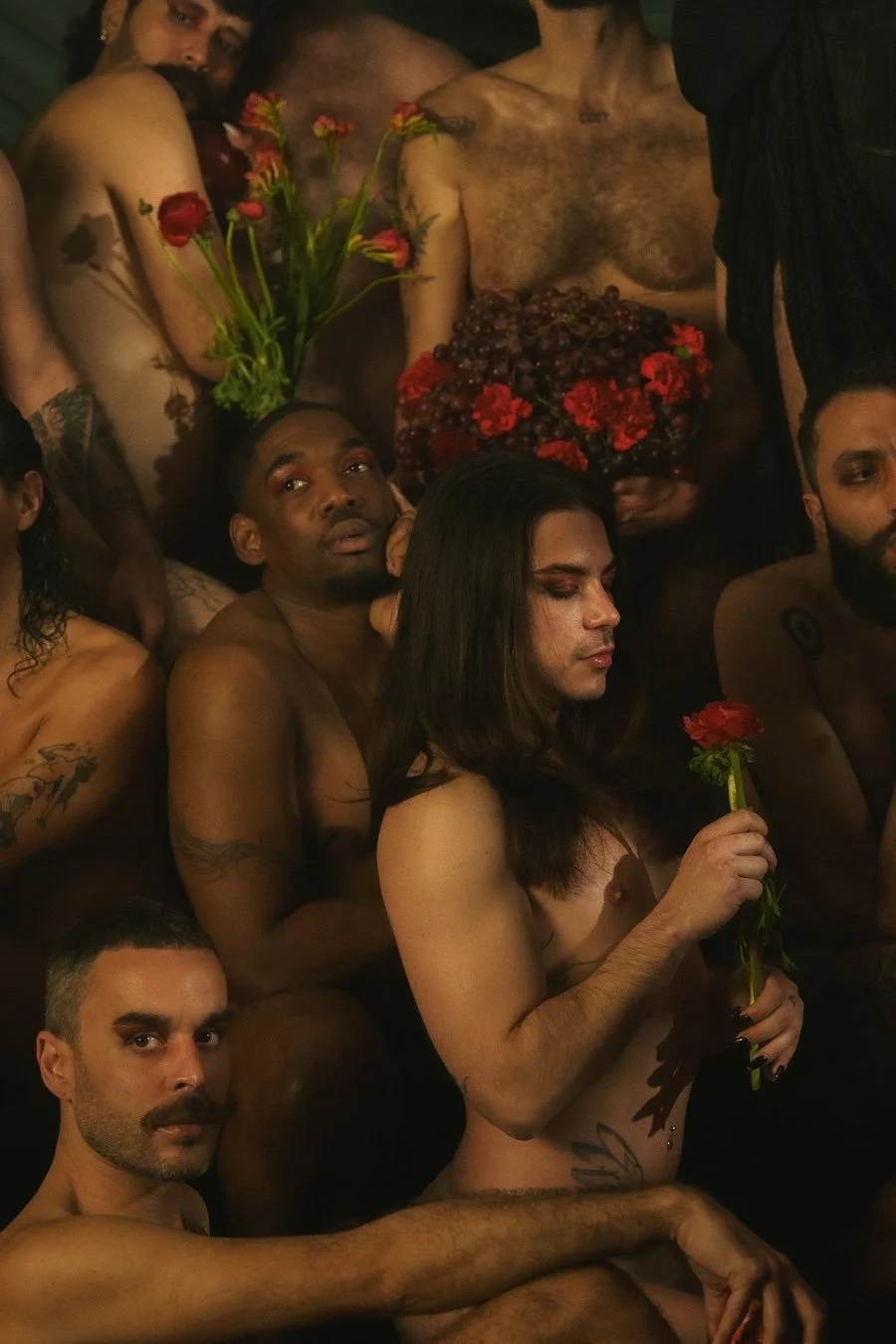
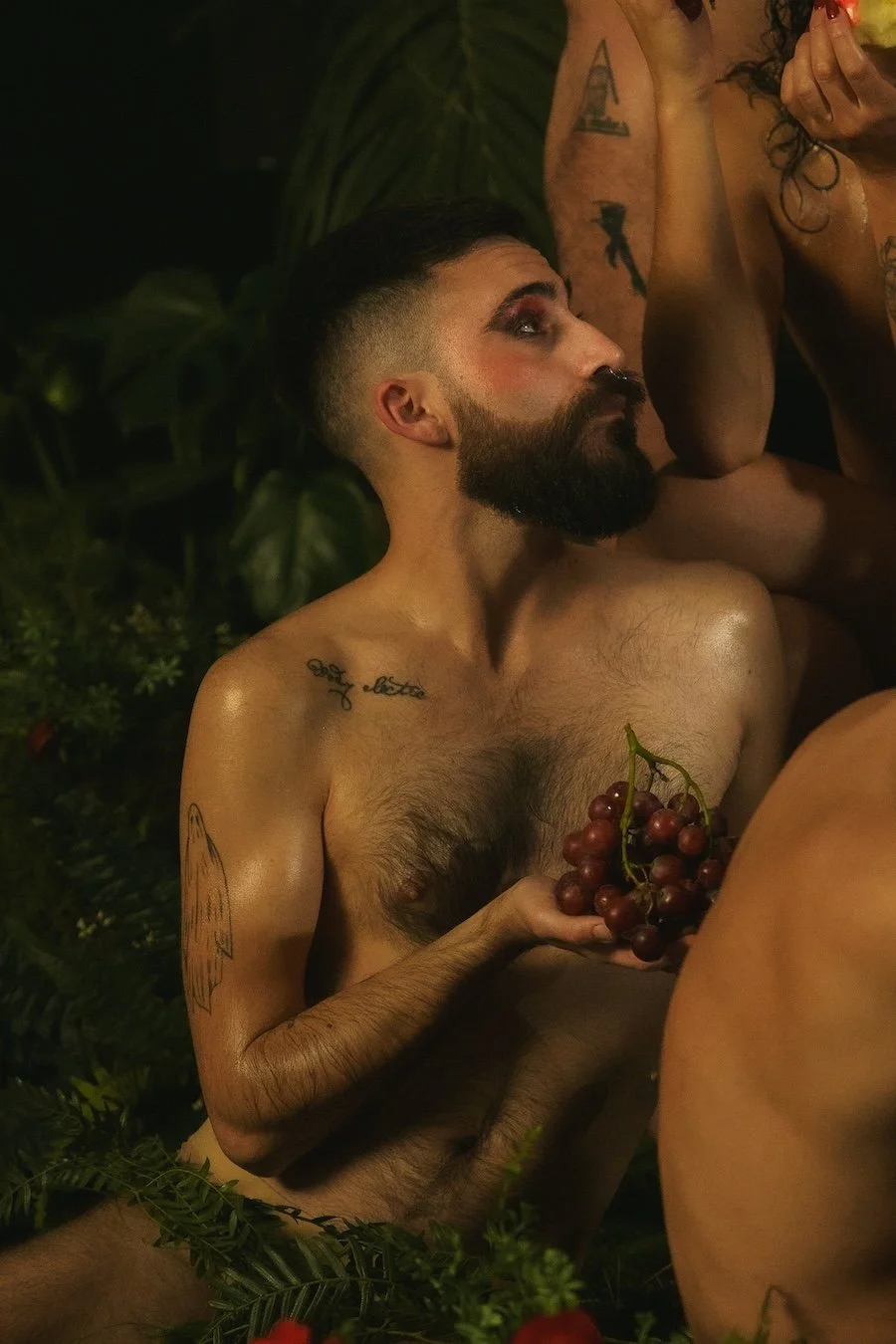
The project features a diverse cast of 15 individuals, each representing the fluidity and beauty of the LGBTQIA+ community. Set in a lush, surreal paradise where gender binaries dissolve, the narrative rethinks the role of Satan, not as an agent of evil, but as a liberator. Described as a "celestial architect of consciousness," this figure encourages the inhabitants of Eden to reject blind obedience and embrace their divine autonomy.

By placing queer bodies at the centre of the creation story, the project asserts that knowledge of the self is a gift rather than a curse. It suggests that queer individuals are not "falling" from grace but rising into their own truth. This vision of Eden is not a place from which humanity was cast out, but a state of authenticity to which it is finally returning.
Ultimately, the project serves as a powerful reclamation of space and story, reminding us that queerness is not an aberration to be corrected, but a divinity to be honoured.