Developments 12 February 2026 1 min read
NIGHTLIFE: How EXOTIKA is Subverting Lisbon’s Club Scene
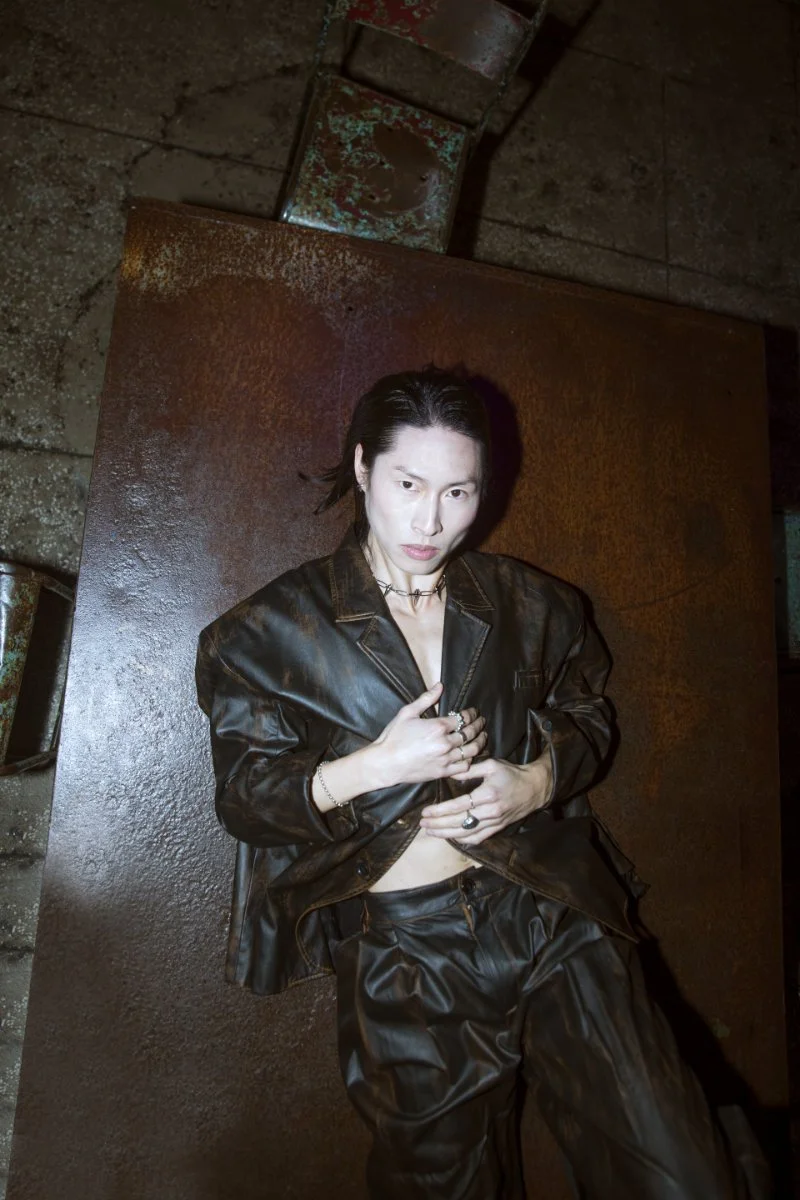
In the heart of Lisbon’s nightlife, a cultural and social movement is quietly redefining the boundaries of the dancefloor. EXOTIKA, a residency housed within the legendary Lux Frágil, has emerged as a vital space where music, performance, and queer identity converge to challenge the status-core of contemporary clubbing.
Founded by the artist MEIBI, EXOTIKA is described not merely as a party, but as an intentional environment for "connection, experimentation, and expression." Central to its philosophy is the belief that club spaces should be more than just rooms for music; they are social ecosystems grounded in fluidity. By integrating DJ sets with live performances, video installations, and bespoke set design, the residency creates a sensory narrative that shifts with every edition.
The project is strategically positioned within an established institution like Lux Frágil to move queer values from the margins into the spotlight. MEIBI asserts that working from within a prestigious venue allows emerging LGBTQI+ and POC artists to access infrastructure and visibility that is often denied to them.


Socially, EXOTIKA functions as a platform for non-conforming voices. In a broader cultural landscape that often privileges individualistic models, the residency proposes the club as a place of collective knowledge. This commitment to safety and expression is reflected in the venue's operations, leading to the introduction of inclusive restrooms and a rigorous code of conduct that prioritises prevention and empathy over correction.
By dissolving the traditional separation between artist and audience, EXOTIKA reconfigures the dancefloor into a shared space. It remains a visceral reminder that the essence of clubbing lies in human bonding, transforming the night into a lived cultural rupture that resonates long after the lights come on.